
In the News
Posted on October 06, 2026
This article was originally published by Jodi Schwan of SiouxFalls.Business.
By the time concrete is poured, some construction decisions are literally set.
That’s why Journey Group’s quality team pays close attention long before that moment, including to details most people outside the industry might never consider: rebar placement, embedded items, layout, elevations and anchor bolts that must be positioned precisely before concrete is placed.
Those anchor bolts, for example, later connect to structural steel. If they are off even slightly, the result can be a major rework issue involving the concrete, the steel or both.
“You only get one chance to pour concrete correctly,” said Colin Simons, quality manager at Journey Group.
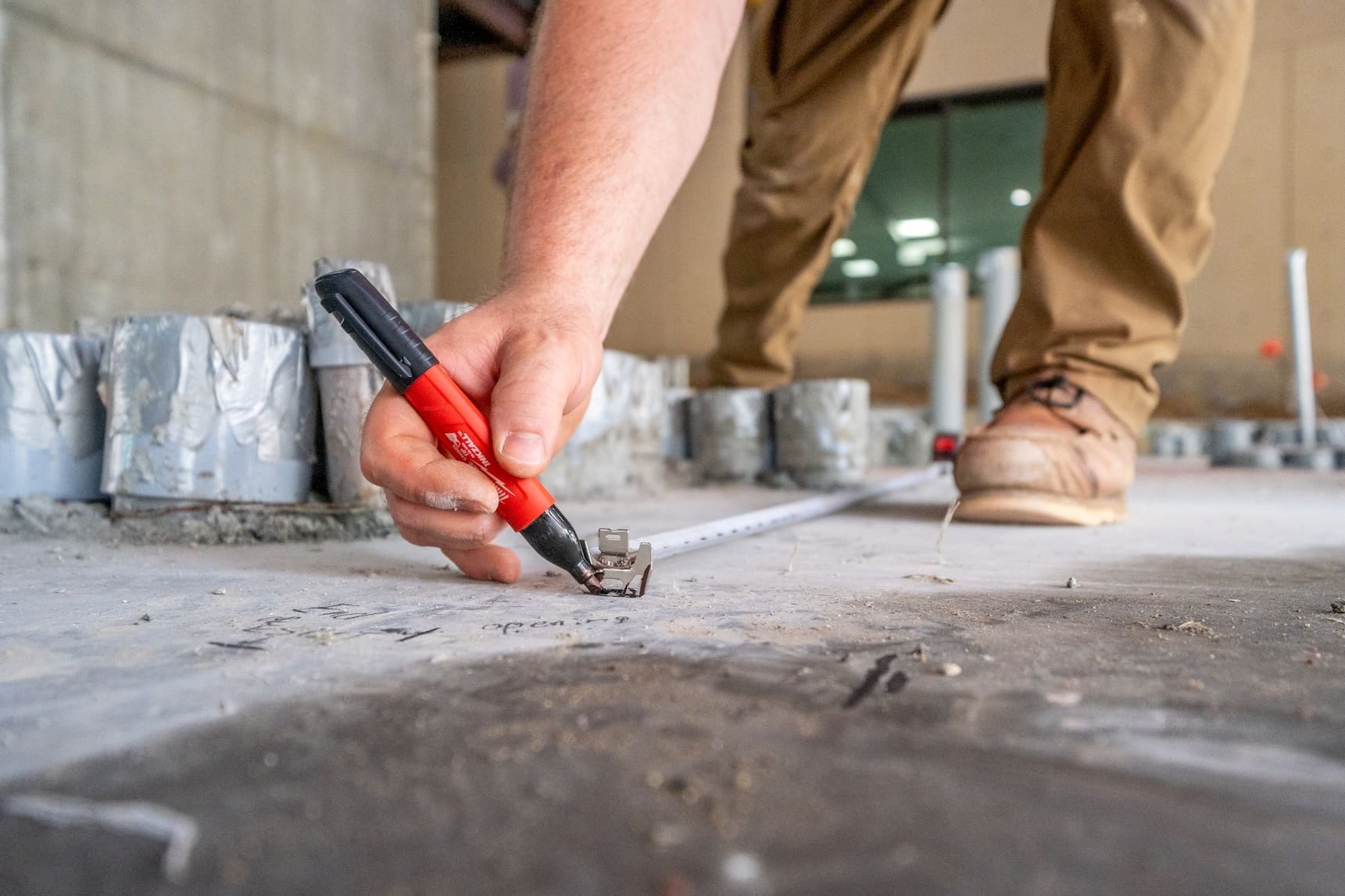
It’s one example of how Journey approaches quality in construction: not as something inspected only at the end, but as something built into the process from the beginning.
That philosophy guides Journey’s entire approach to quality, according to chief operating officer Darin Hage.
“Quality doesn’t just happen in construction,” Hage said. “It takes planning, discipline and processes that are built into every stage of a project. Much of that work happens behind the scenes, but it’s critical to the performance and longevity of what we build.”
Hage said Journey’s quality program is part of the company’s broader Operational Excellence function, where it works alongside Virtual Design and Construction and Lean construction processes and practices to identify issues early and support successful project outcomes.
In its simplest terms, quality means getting work done right the first time, Simons said.
“Quality is a proactive approach to problem-solving and construction, where our goal is prevention rather than correction.”
That matters because construction is complex. Every project includes drawings and specifications from the design team, inspections and testing, state and city requirements, industry workmanship standards, product manufacturer requirements and the owner’s expectations for how the finished building should look and function.
“If any of those are missed and rework is required, costs go up, schedules become delayed, and there is increased safety risk completing the work twice,” Simons said.
For owners, quality can affect far more than the final appearance of a building. It can influence whether a project stays on schedule, whether teams avoid unnecessary costs and whether the finished space is ready to serve its purpose on time.
“The goal of our quality program is not just to look at the finished product and judge it for quality but to ensure that processes are in place where expectations are set and understood by all parties so that work can be installed efficiently and correctly while minimizing occurrences of rework,” Simons said.
Starting before construction
Journey’s quality department typically becomes involved once project drawings and specifications are received.
At that point, the quality team begins reviewing documents with the project team to identify higher-risk activities, determine how those risks can be managed and understand what inspections or testing requirements will need to be met during construction.
The team also identifies whether mockups should be built before full installation begins.
“Mockups have proven to be very valuable as it allows us to construct a scaled portion of the project,” Simons said. “That gives our team a chance to evaluate how the building will actually come together.”
Through that process, the team can determine whether the schedule and sequence of work make sense, whether materials are compatible and whether the aesthetic or function matches what the owner and design team want.
“It also sets a benchmark for quality that we can apply to the work happening in the field later,” Simons said.
That upfront planning is especially important because once construction begins, changes can become more expensive, more disruptive and more likely to affect the schedule.
Checking the work as it happens
During construction, Journey uses what it calls a three-phase quality method: a pre-installation meeting, a first-work inspection and periodic inspections throughout the life of the project.
The pre-installation meeting typically happens about two weeks before a new subcontractor or major piece of work begins. The project team reviews quality, schedule, safety requirements, jobsite logistics, drawings and specifications, materials and workmanship expectations.
The goal is to make sure everyone understands what needs to happen before work starts.
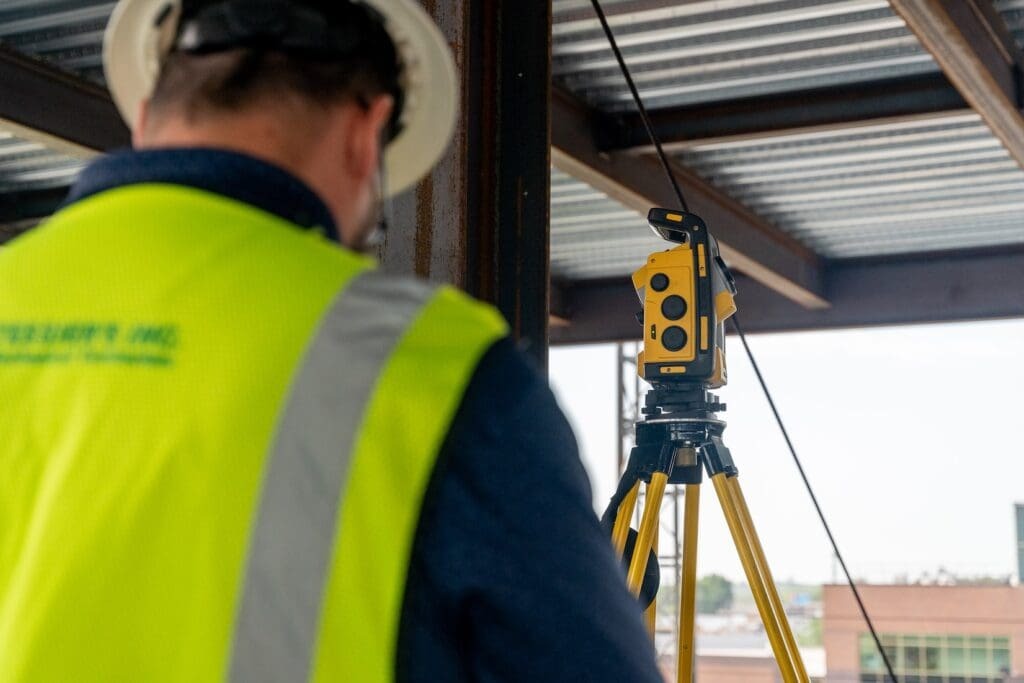
Once the first portion of work is installed, the team performs a formal audit.
“The goal here is to try to catch those deviations early so that if rework is required it is a small piece of work and not the entire work,” Simons said.
Periodic inspections continue after that, helping the team monitor work from start to finish.
That matters because jobsites change constantly. Work may move to a different part of the building. Environmental conditions may change. Personnel can shift. Each of those factors can affect quality if teams are not watching closely.
“The periodic inspections serve a critical step in ensuring a quality product from start to finish,” Simons said.
The value of that approach can show up in something as visible as the exterior of a building.
On one project, a masonry subcontractor began installing brick using the wrong color of mortar. Journey’s first-work inspection identified the issue early before a large portion of the building was completed.
Had it continued, the mistake could have created significant rework, added costs and delayed the schedule.
“It is also these types of issues that can really cascade in a project, leading to delayed or less-efficient closeout and handoff to the owner,” Simons said.
Using technology to prevent mistakes
Journey also uses technology to strengthen its quality process.
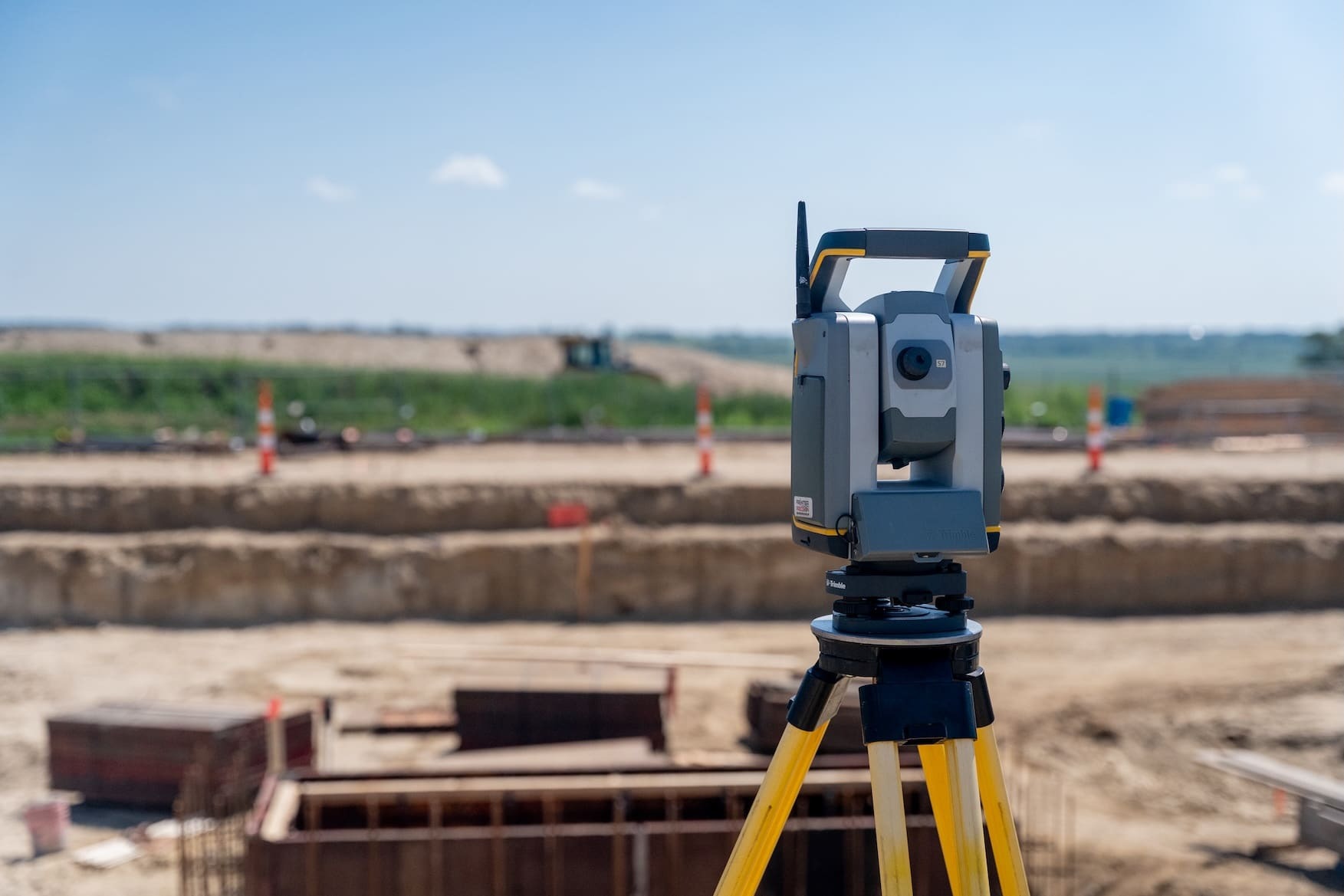
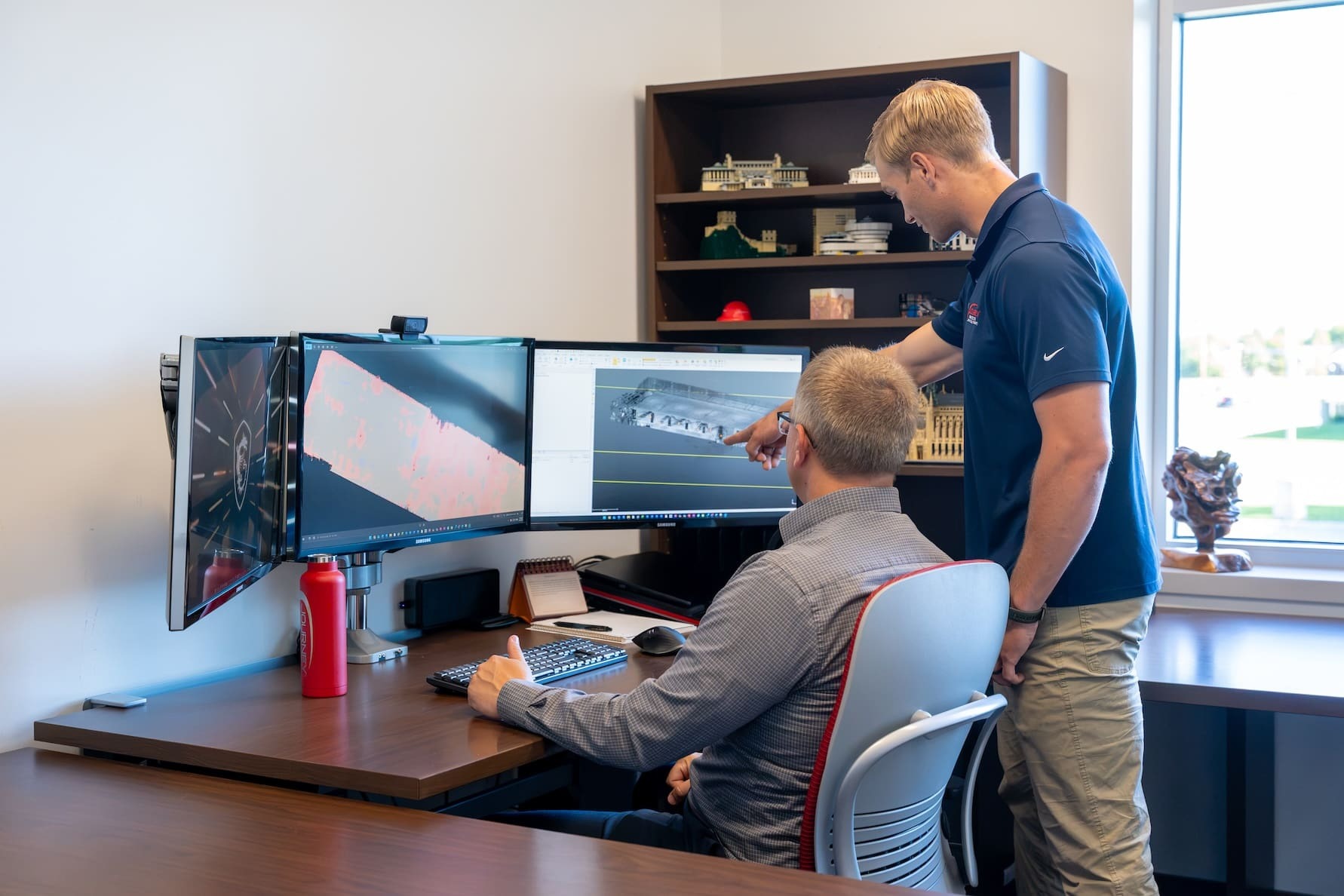
In its concrete pre-pour process, the team uses a checklist to review items such as rebar, embedded materials, layout and elevations before concrete is placed.
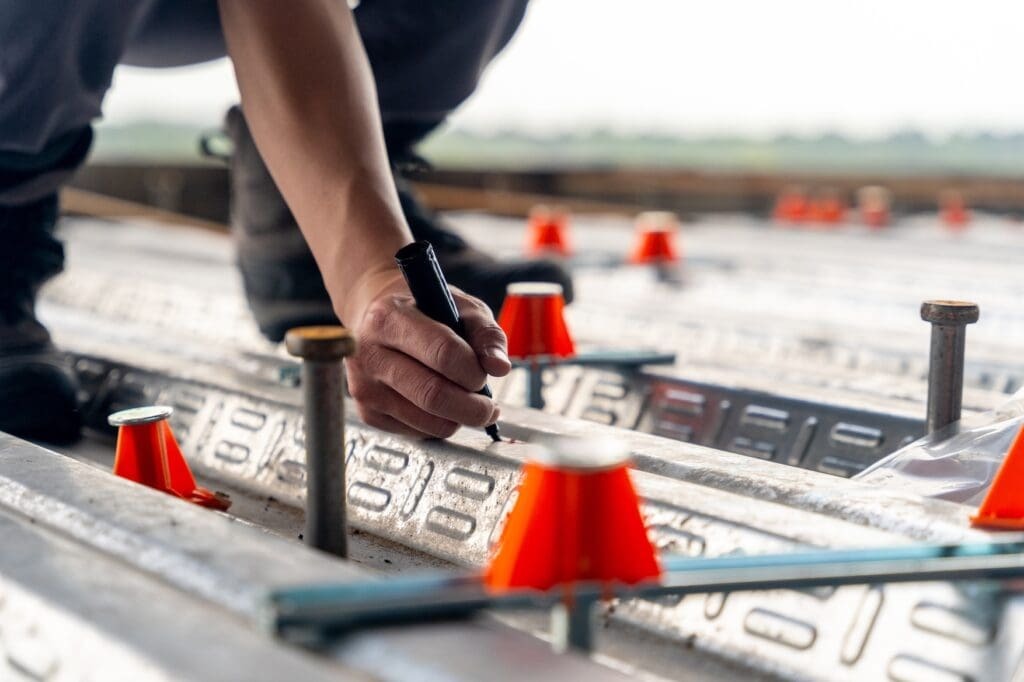
The team also can use tools such as 3D scanners and layout instruments as an added check.
That process has made a measurable difference on projects, Simons said, because it helps confirm the work is being done properly before a mistake becomes permanent.
For owners, that kind of process might not be visible during construction, but it can make a major difference in how smoothly the project progresses.
“Quality isn’t judged only by a completed project,” Simons said. “It is also the processes and collaboration along the way that lead to greater project efficiency and execution.”
Finishing strong
The closeout phase can be one of the most challenging parts of any project.
“And although it only takes a small portion of the overall schedule, it is often the phase where projects are judged a success or failure in the eyes of an owner,” Simons said.
That is when Journey’s team walks the building internally, identifies anything that still needs attention and works to resolve items before the owner and design team conduct their own punch list.
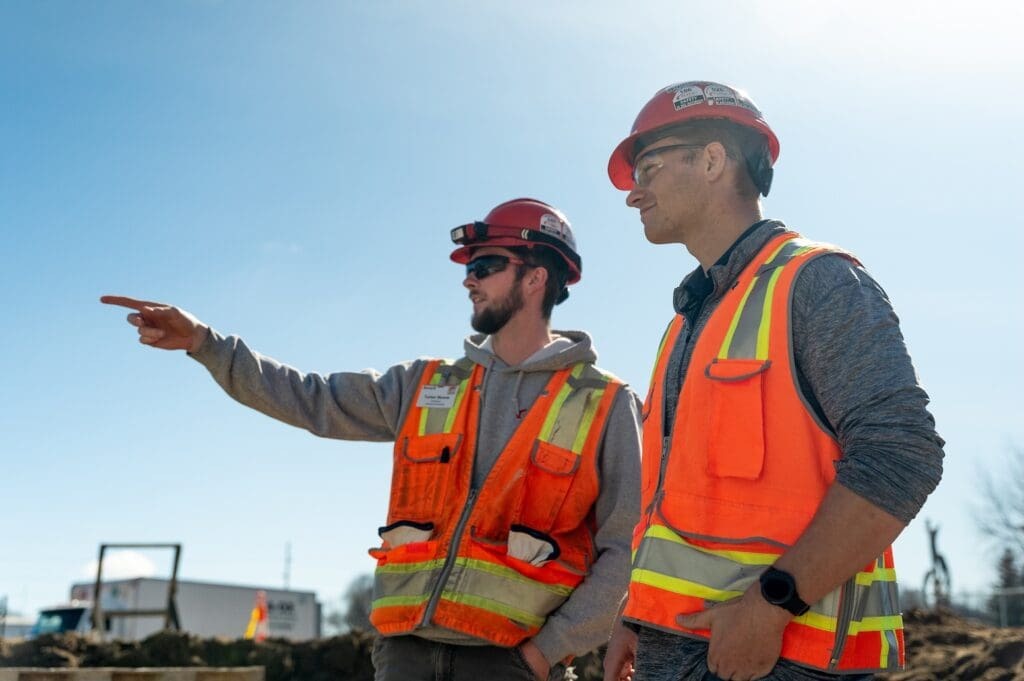
Often, there may be only a few weeks between the owner’s punch list and project turnover, so staying ahead of issues is essential.
“We try to stay proactive rather than reactive in this time as much as possible,” Simons said.
The smoother the earlier phases of quality management have gone, the more efficiently the final push can happen.
“During the final elements of construction is where you really get a feel for how the project performed in quality,” Simons said. “All of the problems that you solved while in preconstruction and during construction really help make the final push of a project go more efficiently and deliver an overall higher quality product to the owner.”
Creating a culture of quality
While Journey has formal processes, checklists and inspections, quality ultimately depends on people.
Hage said Journey’s quality program is built on partnership and support.
“Our field teams know the quality group is there to provide guidance, resources and tools that help them succeed,” he said. “It’s not about finding mistakes at the end of a process. It’s about helping teams build quality into the work from the start.”
One way that culture shows up is through Journey’s Lessons Learned Program. Project teams share what they have encountered, whether it is a product installed incorrectly, a warranty issue that needed to be addressed or a missed process that created downstream effects. The goal is not to assign blame but to increase organizational knowledge.
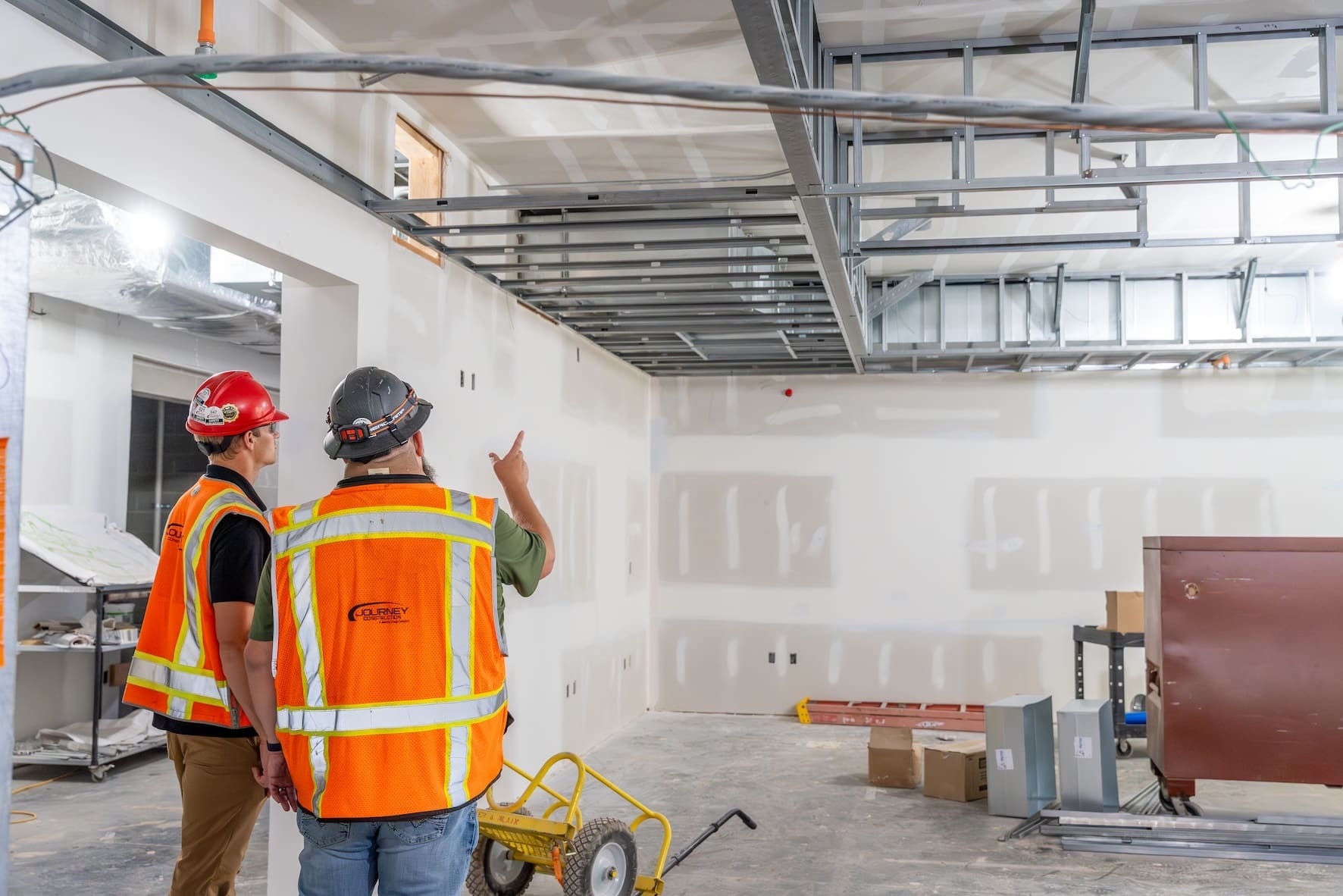
Hage said one of the most valuable aspects of the quality program is its role in organizational learning.
“We’ve worked hard to build a culture of learning and collaboration,” he said. “When teams identify lessons from a project, we document them, share them across the company and use them to improve future projects.”
That helps future project teams know what to watch for so the same mistakes are not repeated. For owners, that means quality is not dependent on one person catching something at the end. It is built through communication, accountability, planning and experience across the organization.
“At the end of the day, quality is about delivering on the commitments we make to our clients,” Hage said. “Everything the team does, from planning and prevention to lessons learned and continuous improvement, supports that goal.”